The Charm of Andros’ Unique Architecture
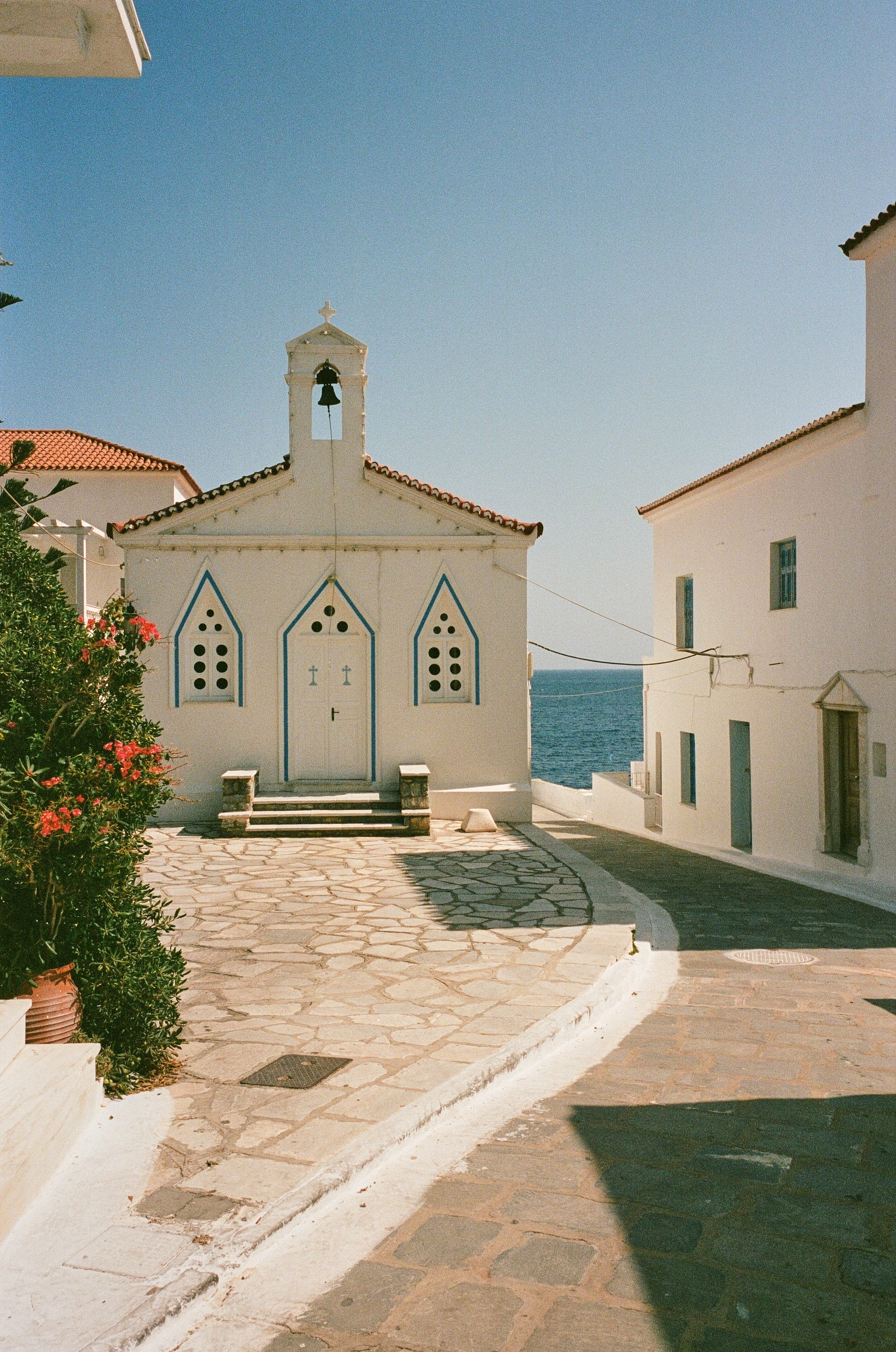
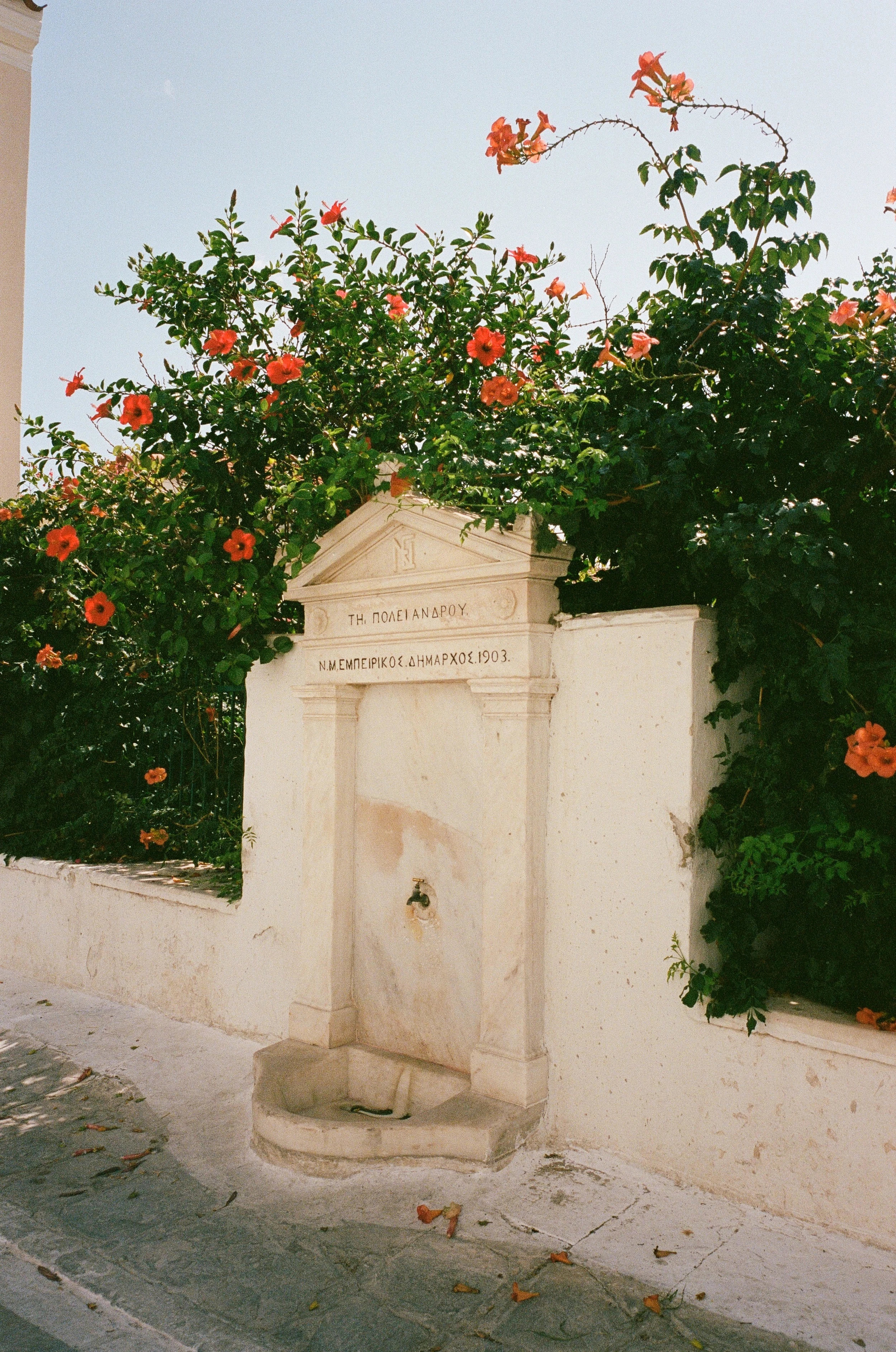
Andros may be a Cycladic island, but its architecture is different from that of its neighbors. While many nearby islands are known for whitewashed cube houses, Andros stands out for its stone buildings, neoclassical facades, and subtle Venetian influences. This reflects the island’s long seafaring history and the wealth of its ship-owning families.
Stone is the dominant material across Andros. Most traditional houses were built with locally quarried stone, giving them their earthy colors and solid feel. These buildings were designed to last. Thick walls keep interiors cool in summer and warm in winter, making them practical for year-round living. Using stone found directly on the land also made this a naturally sustainable way of building, with no need to transport materials from elsewhere.
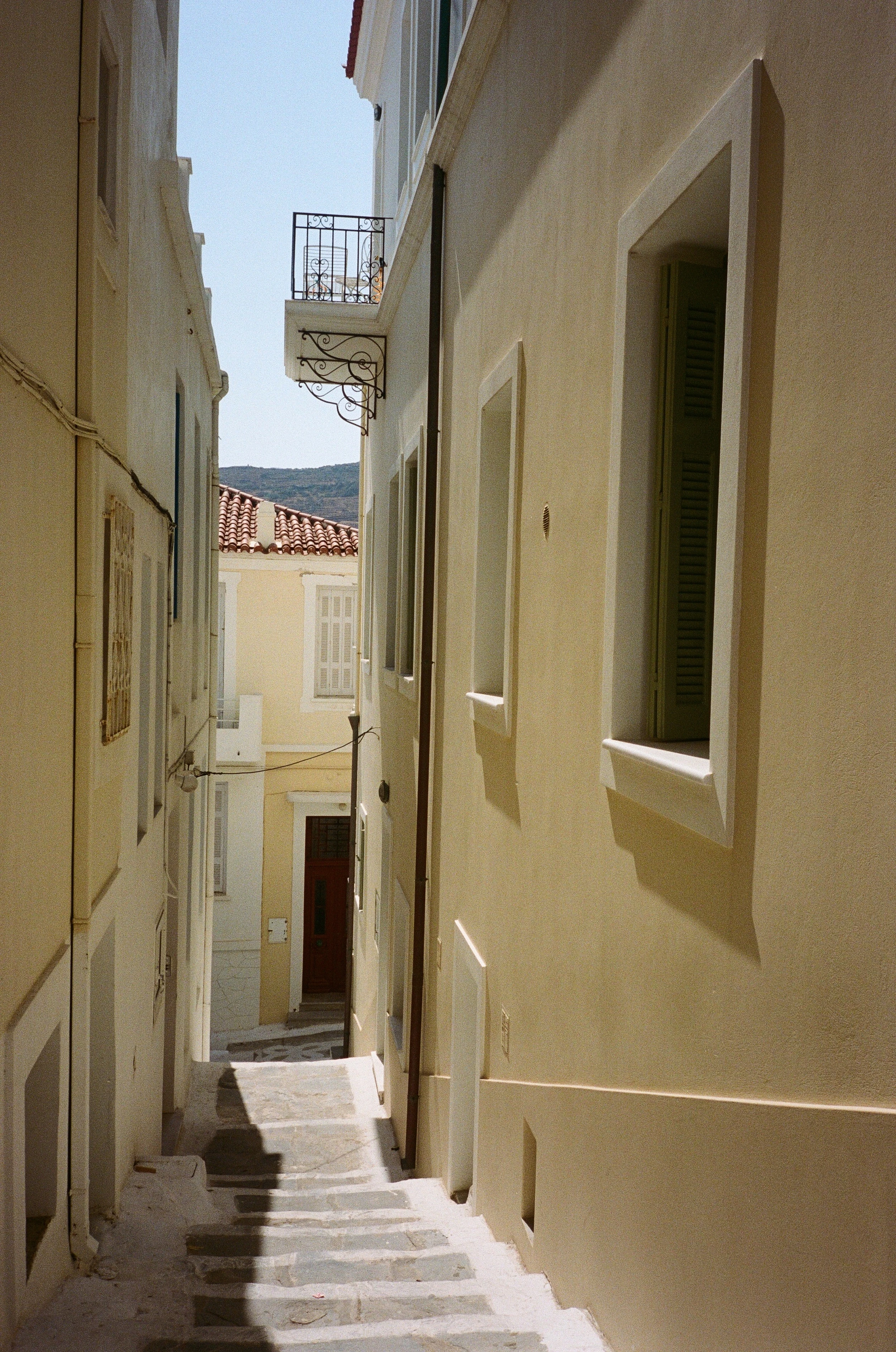
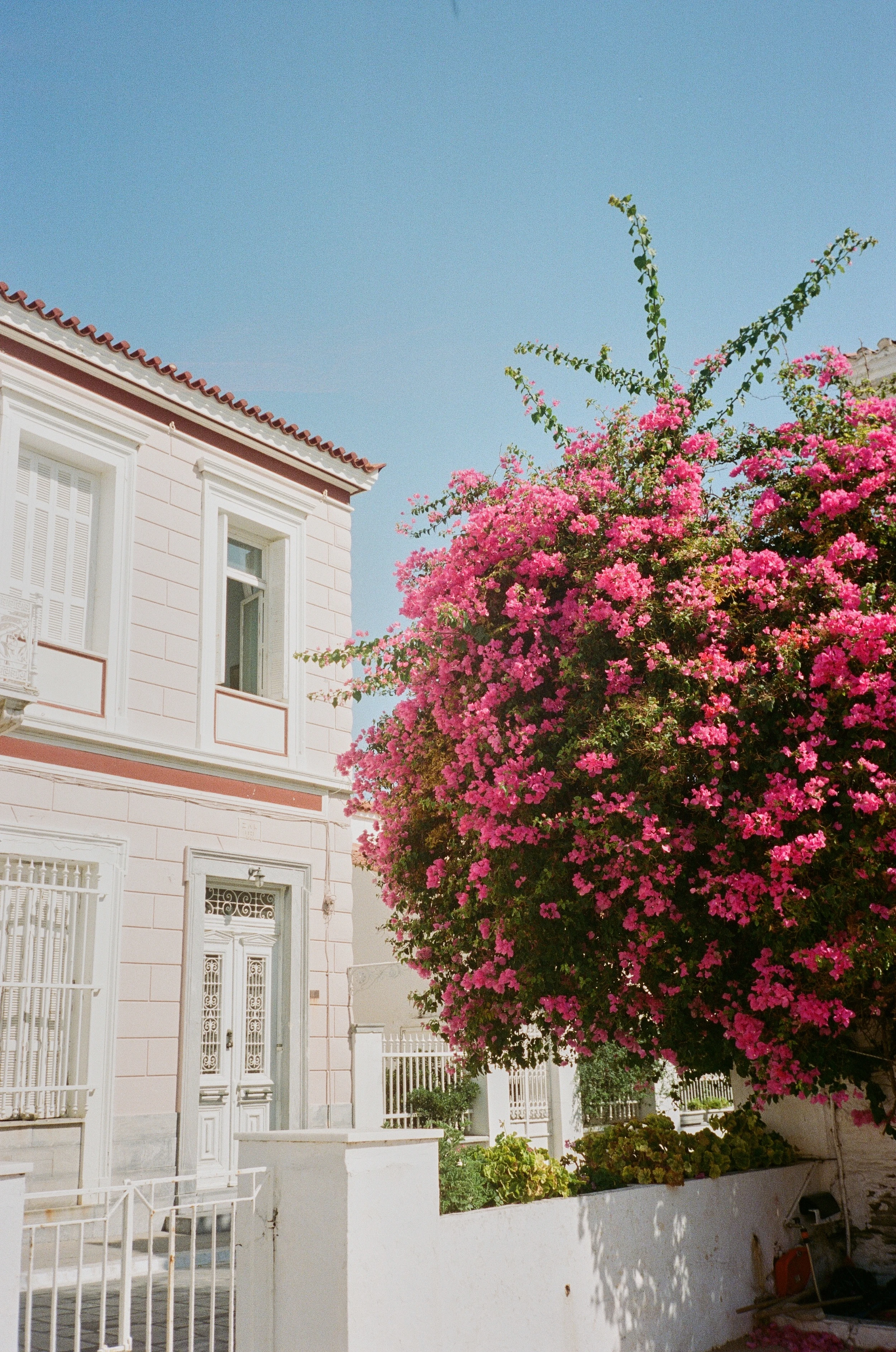
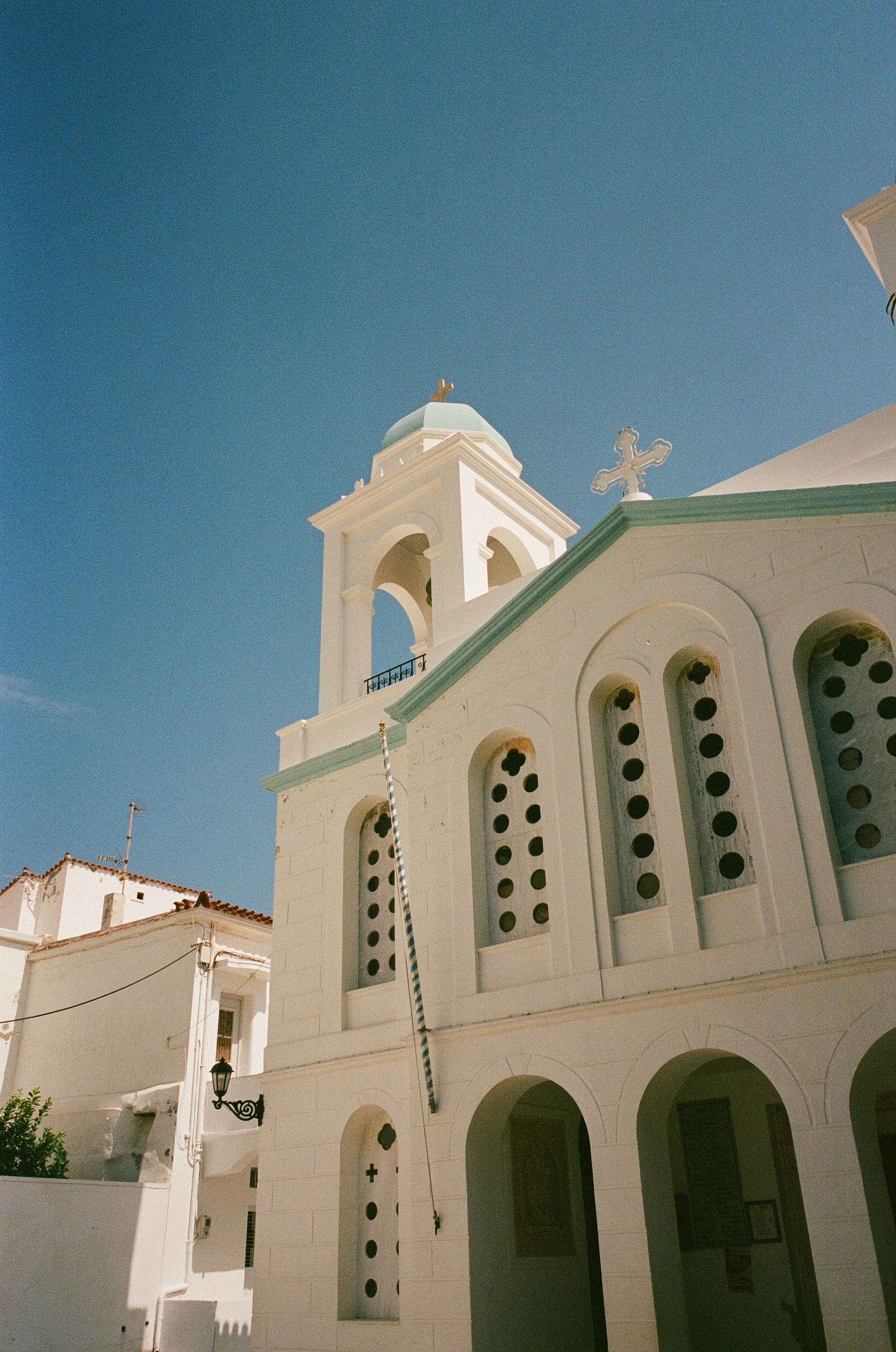
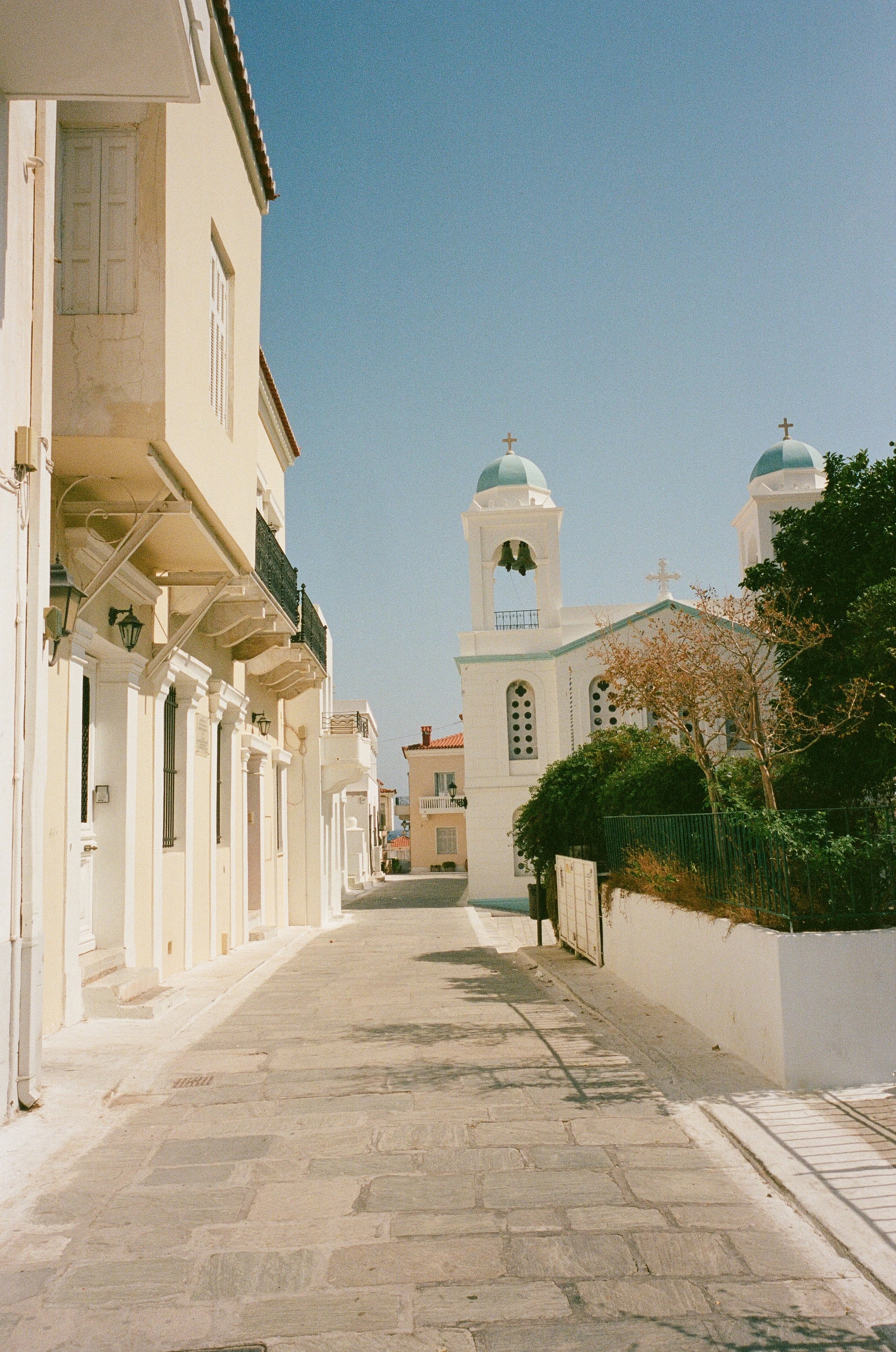
In Chora, the island’s main town, you’ll find large neoclassical houses built by wealthy ship-owning families. These homes are more decorative, with arched doorways, balconies, and shutters. Venetian, Ottoman, and Greek influences can all be seen.
Outside Chora, the architecture is simpler. Villages like Menites and Stenies are made up of stone farmhouses that blend into the landscape. Courtyards, outdoor ovens, shaded terraces, and grapevines are common features, shaped by everyday rural life.
Ktima Lemonies is part of this architectural tradition. The estate is built in stone, with traditional arches and slate roofs, following the same practical building methods found across Andros. Set within a landscape shaped by ancient waterways and terraced land, it was designed to work with the environment, reflecting the island’s long relationship between architecture, land, and daily life
Architecture on Andros is still part of daily life. The buildings were not preserved as monuments or museums. People live in them, adapt them over time, and care for them so they continue to function while keeping their original character. To experience this firsthand, we recommend simply strolling through the streets of Chora, where the architecture can be appreciated at an unhurried pace, as part of everyday island life.